
My Love-Hate Relationship With Expired Film
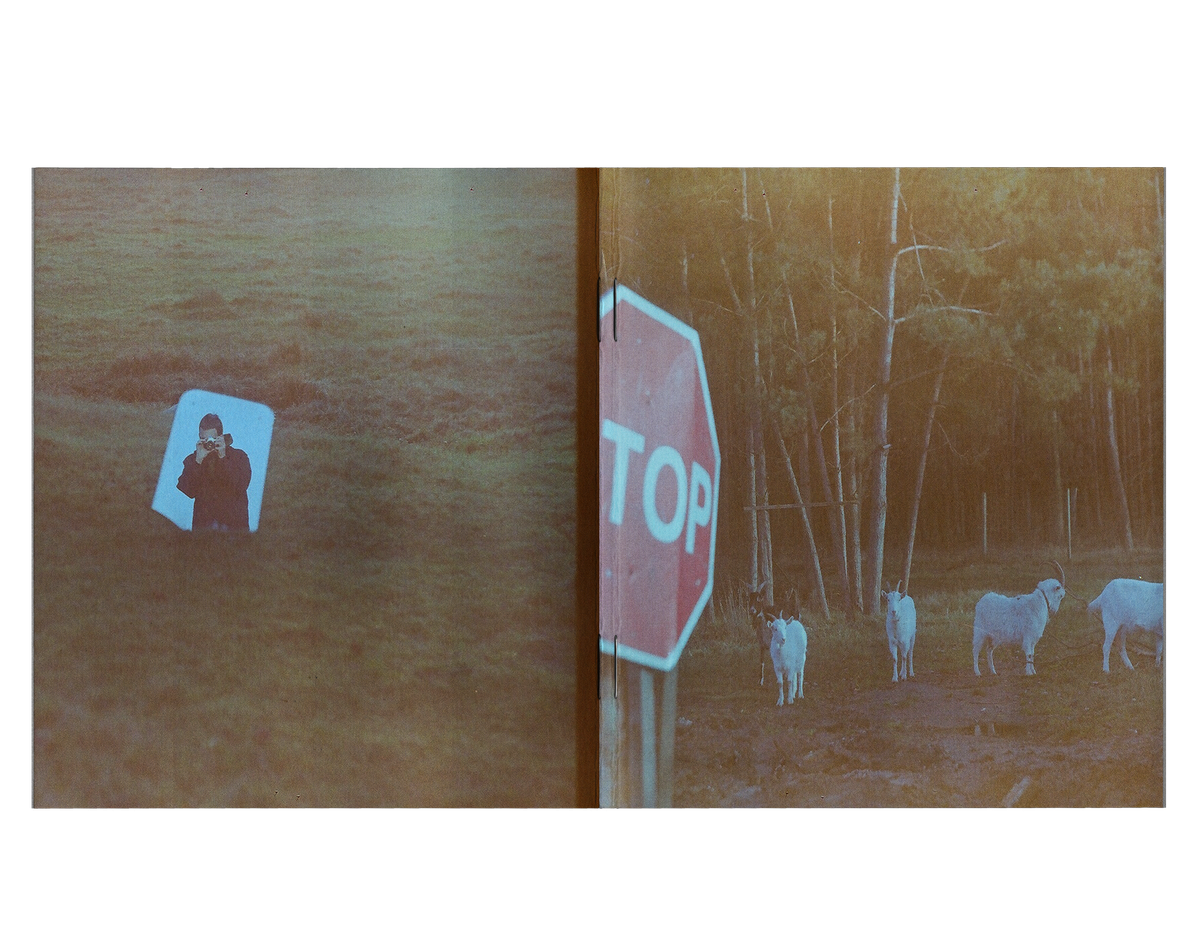
I haven’t shot much film in a few years, but I still hate when a roll comes back underexposed. It hurts even more with Portra or any of the pricey stocks. You pay premium money and want to experiment, but still get back nearly black rectangles. That frustration is exactly why I started shooting expired film.
And I know... I know how that sounds. *I'm just bad at photography.* But for me, weirdly, it is one of the more honest gambles in photography and that’s because when it goes wrong, well, you kind of saw it coming. It takes the pressure off and give you more freedom to experiment.
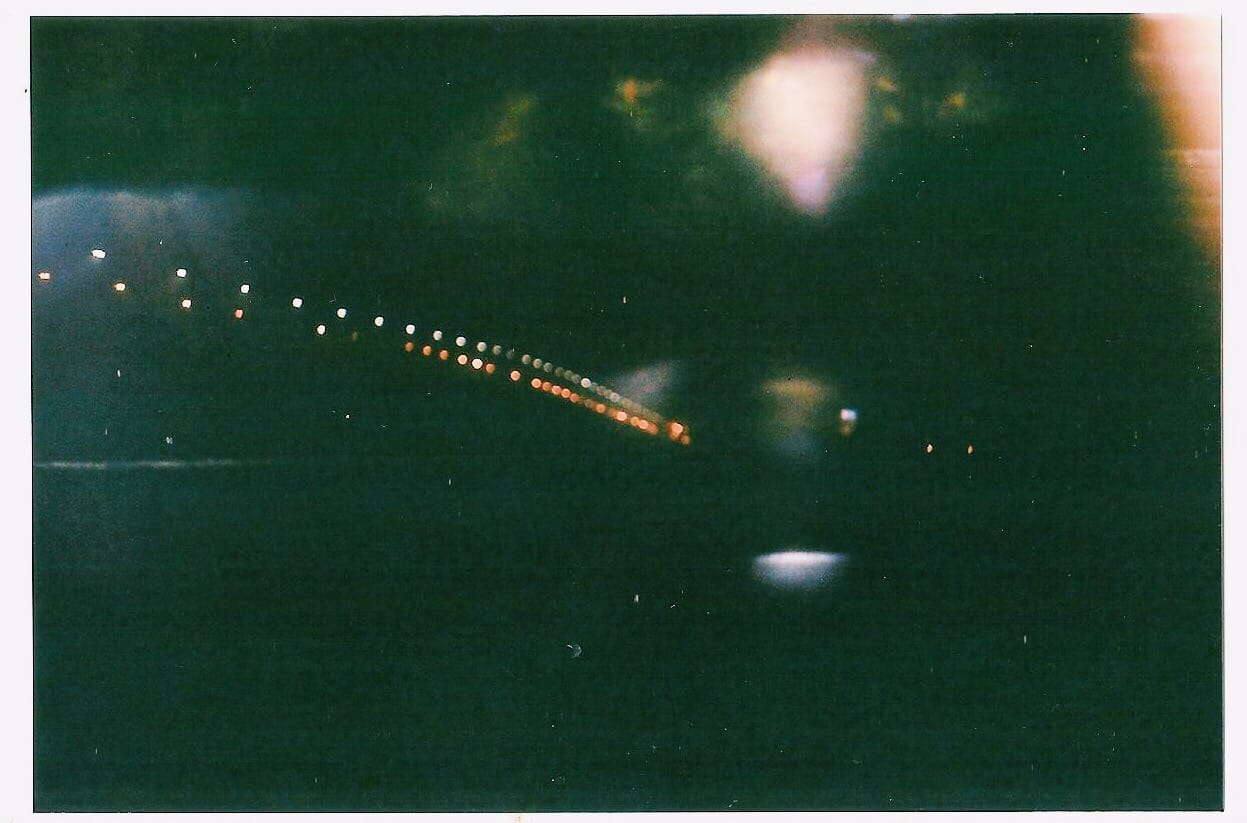
Some background
Back when I was finishing high school I picked up an old camera at a flea market for around two bucks, and had no idea how to use it. I didn’t know what ISO was, couldn’t even load it properly. The first thing I needed was a way to fail cheaply, and that meant buying expired film off random sellers online. Old Soviet rolls from Ukrainian online marketplaces were the best option for me. Some of them cost less than a coffee. And by that, coffee in Ukraine 10 years ago was cheap as hell.
Of course my first rolls didn’t work. This was the period of figuring out how all of this works – different cameras, different films, why some labs would only develop color and not b&w. There was, it turned out, a whole bunch of people in Ukraine selling unused film online and at flea markets. Like Svema. That's a cartographic film originally meant for copying engineering drawings. A lot of Fuji/Kodak expired film rolls as well.
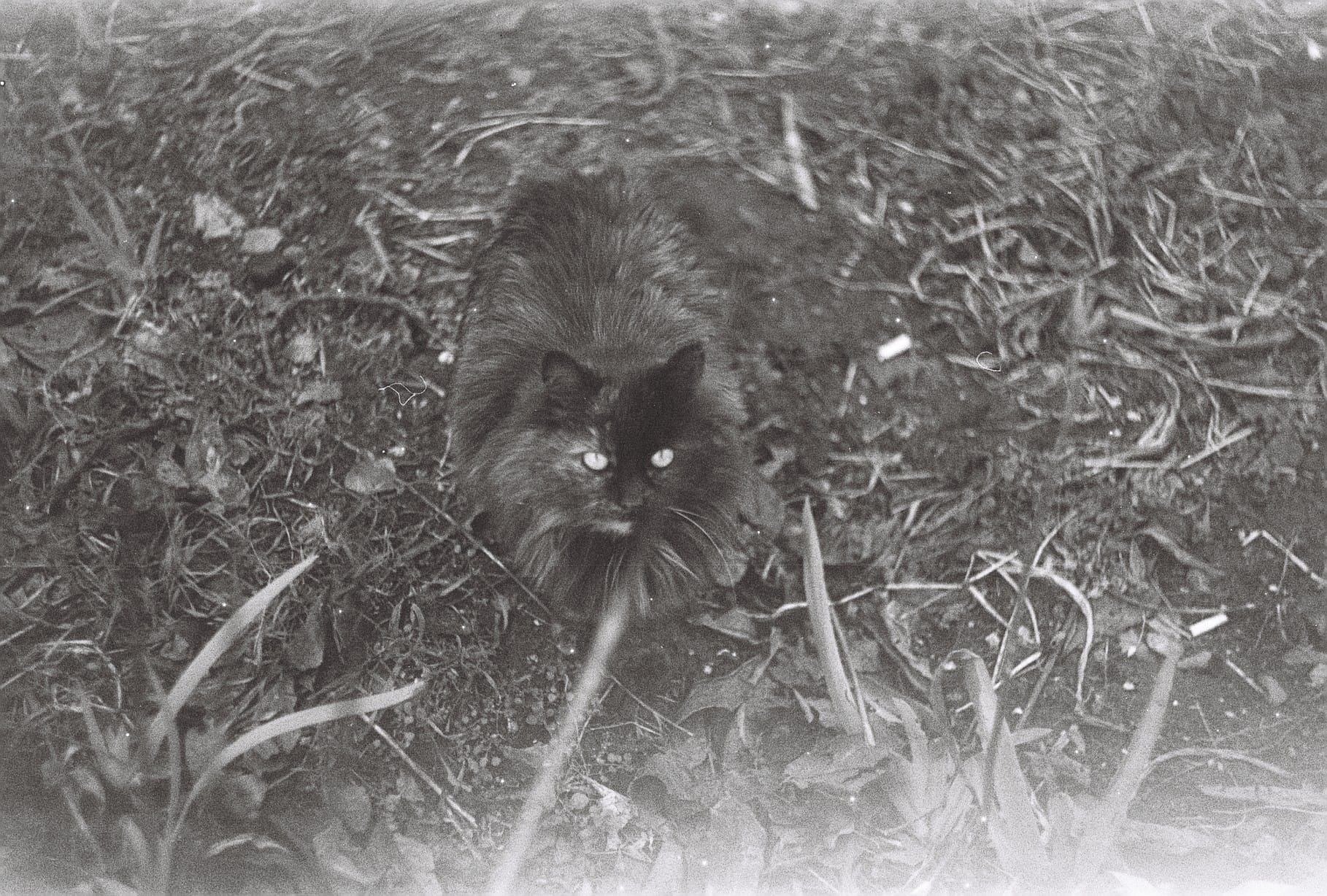
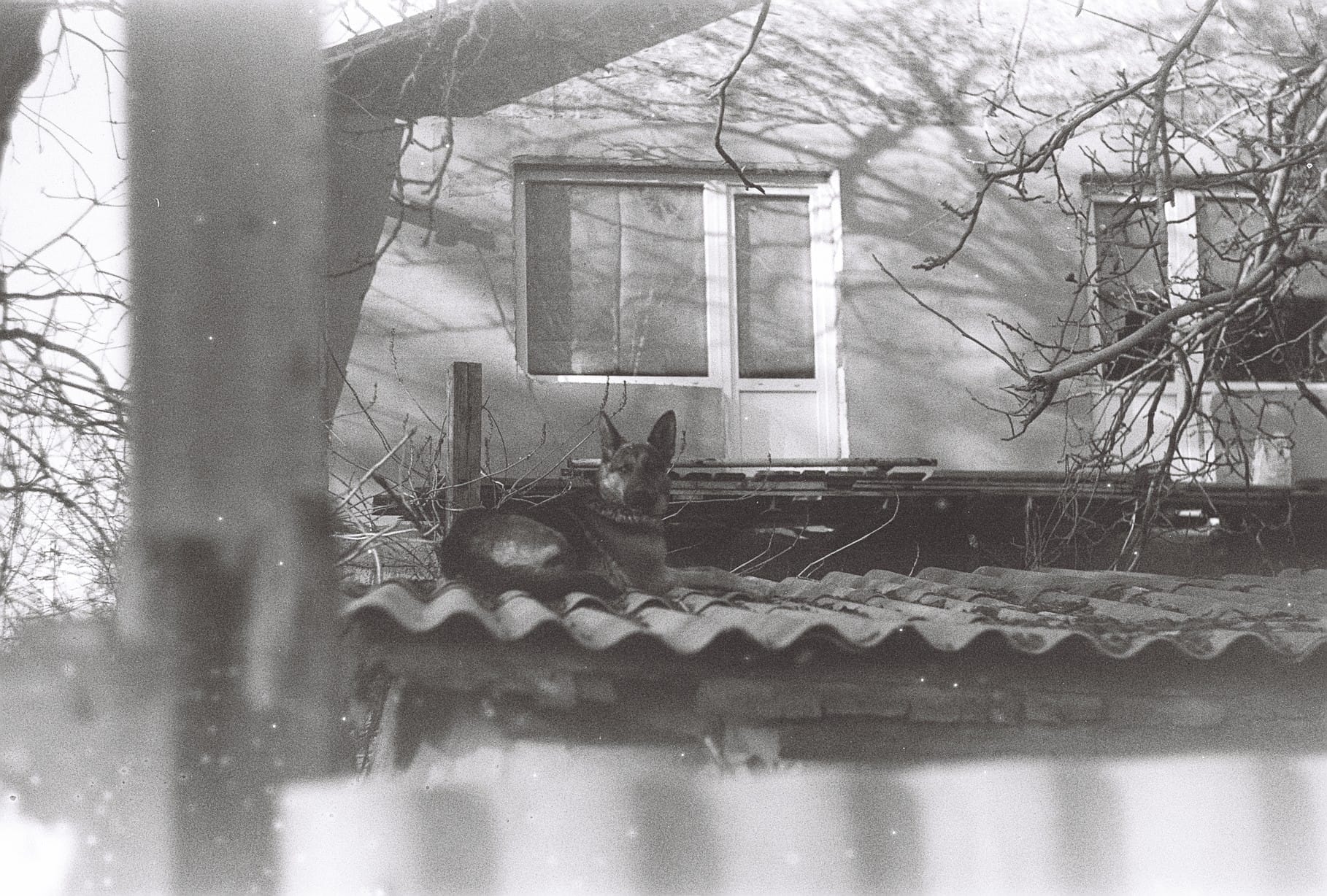
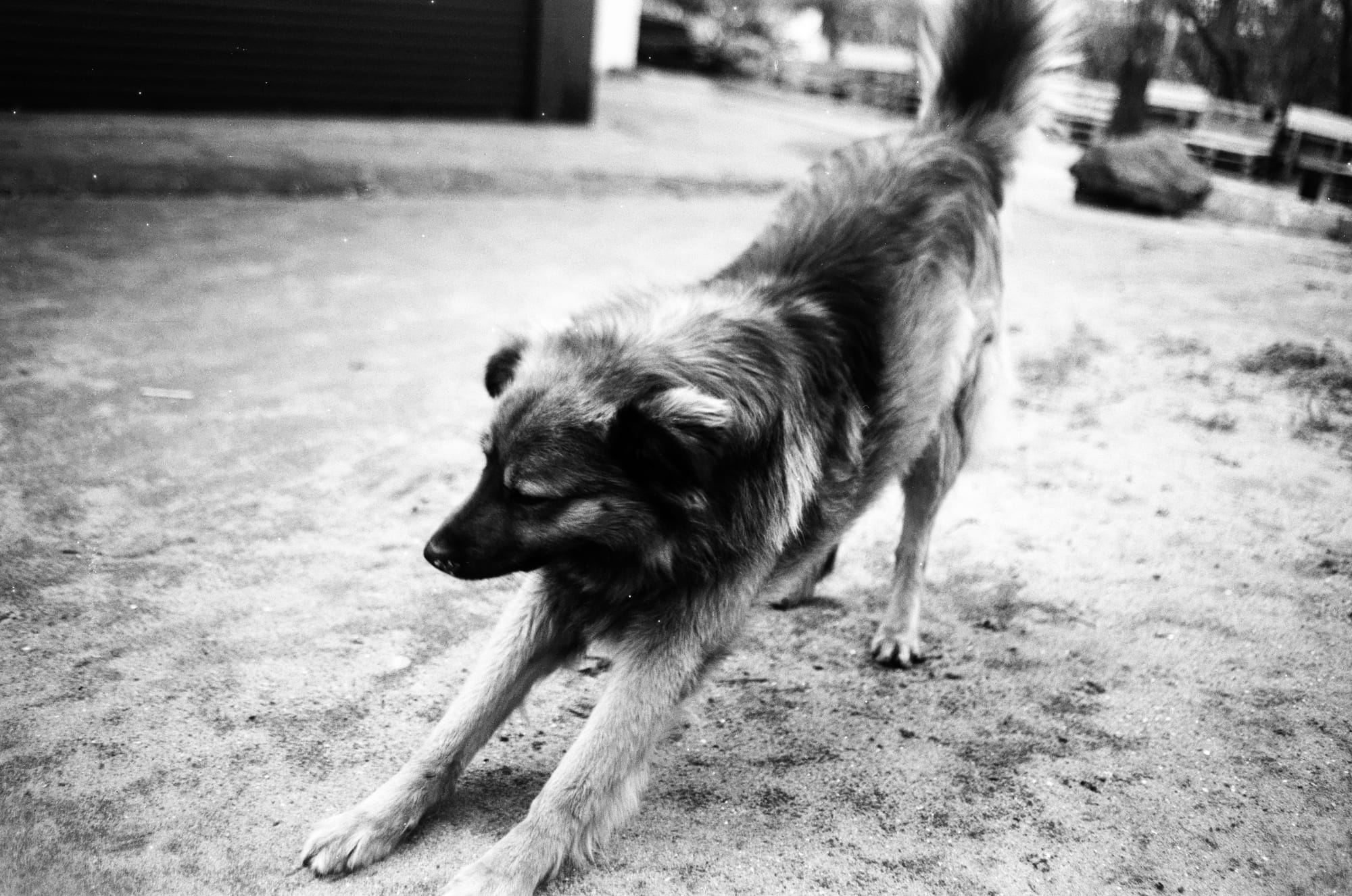
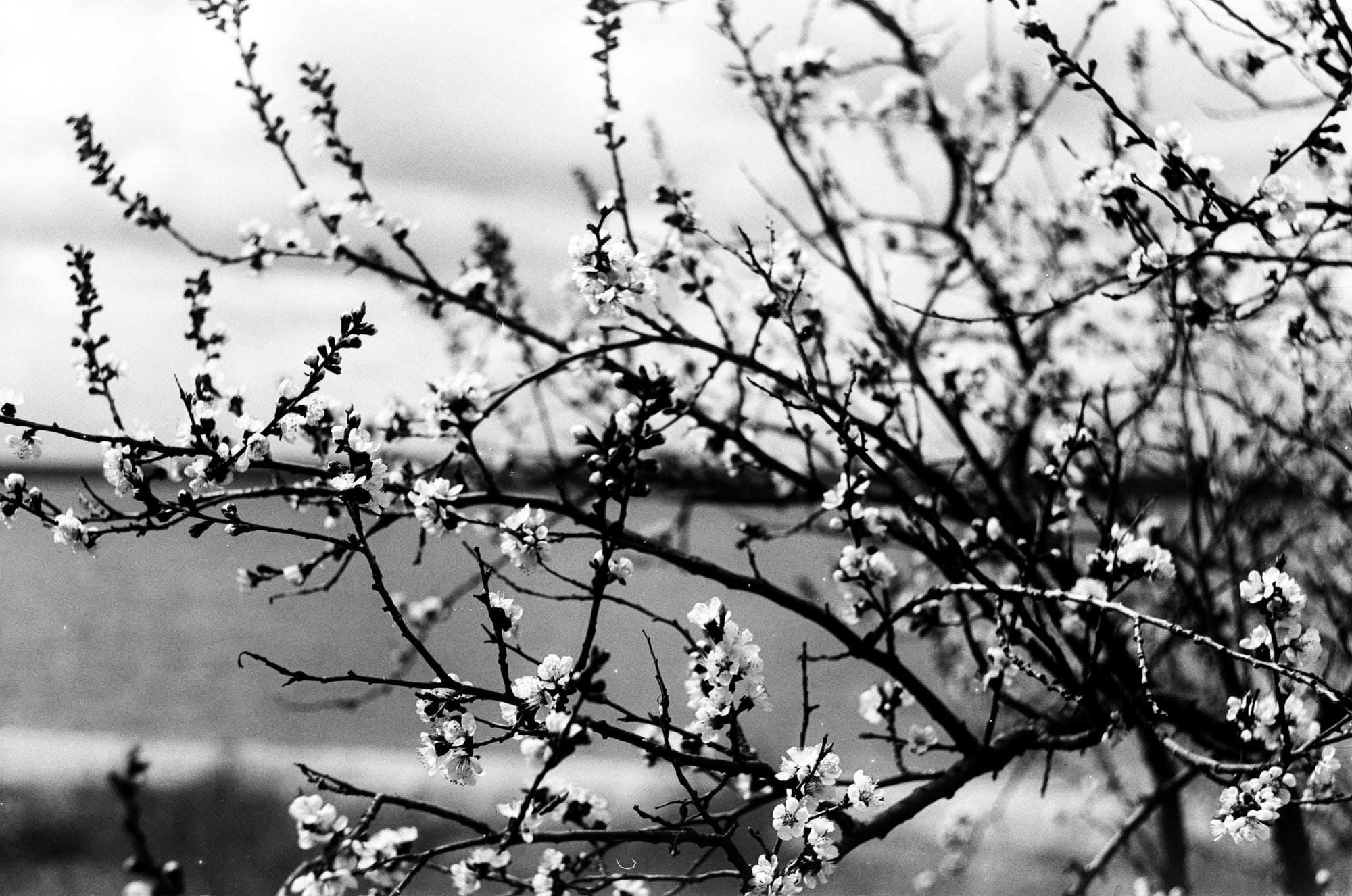
Different rolls of Svema KN-1, expired by decades. Made in 2020
What to expect from expired film
Film degrades really slow and how it degrades depends almost entirely on how it’s been stored. A roll that’s been sitting in the door of someone’s fridge since 1995 can shoot remarkably close to fresh. I’ve stored my rolls in the fridge for years and it works. If you find out the film you’re buying was kept in someone’s hot apartment, well, lower your expectations.
So, what exactly happens, when film start to age?
It loses sensitivity. The chemicals that react to light become less reactive. If you shoot at the original box speed, your photos come out underexposed.
It picks up base fog. A faint grey haze appears – it’s the emulsion slowly reacting to itself over the years.
Color film gets weird casts. Magenta, green, purple. The dye layers degrade at different rates, so one channel goes before the others.
The standard rule of thumb you’ll see online is to overexpose by one stop for every decade past expiry. So a 400-ISO roll that expired in 2006 (20 years ago) you’d shoot at ISO 100. And a roll that’s been baked will need more compensation than the rule suggests.
Quick terminology thing because the internet gets this wrong constantly: what I'm describing is overexposing, not pushing. Pushing is the opposite, when you’re underexposing on purpose and then leaving it in the developer longer to compensate. For expired film you always want to overexpose.


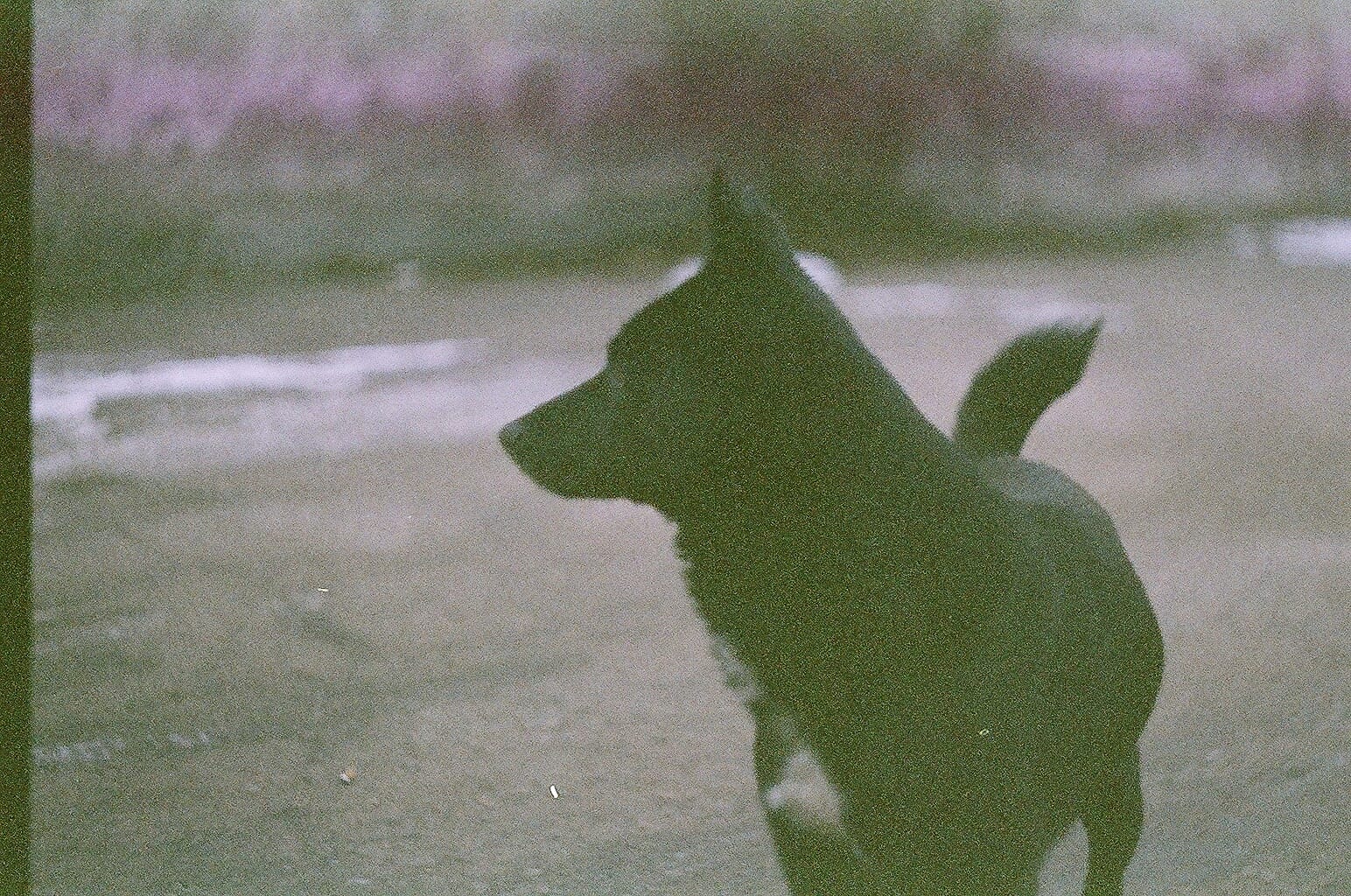
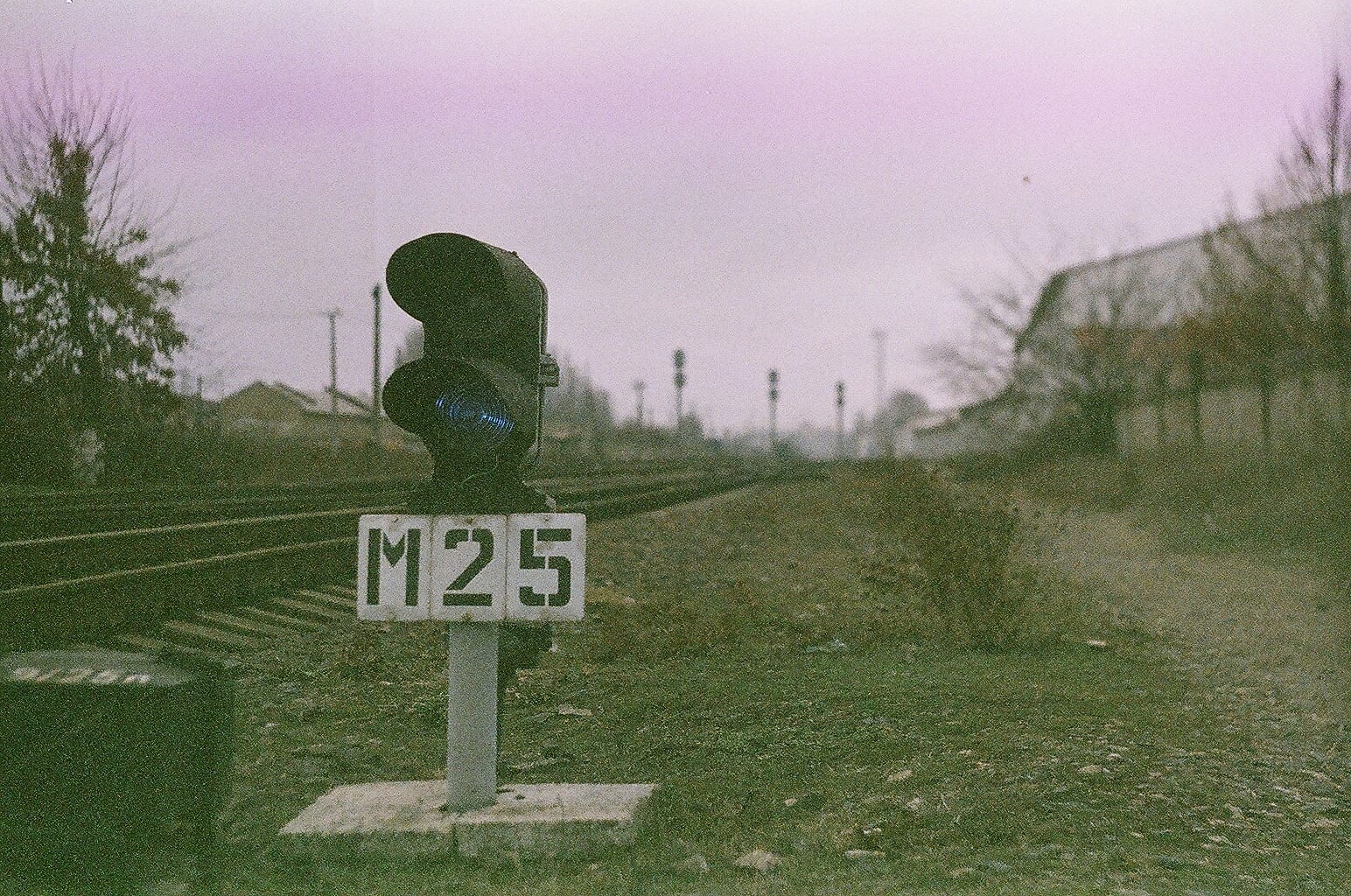
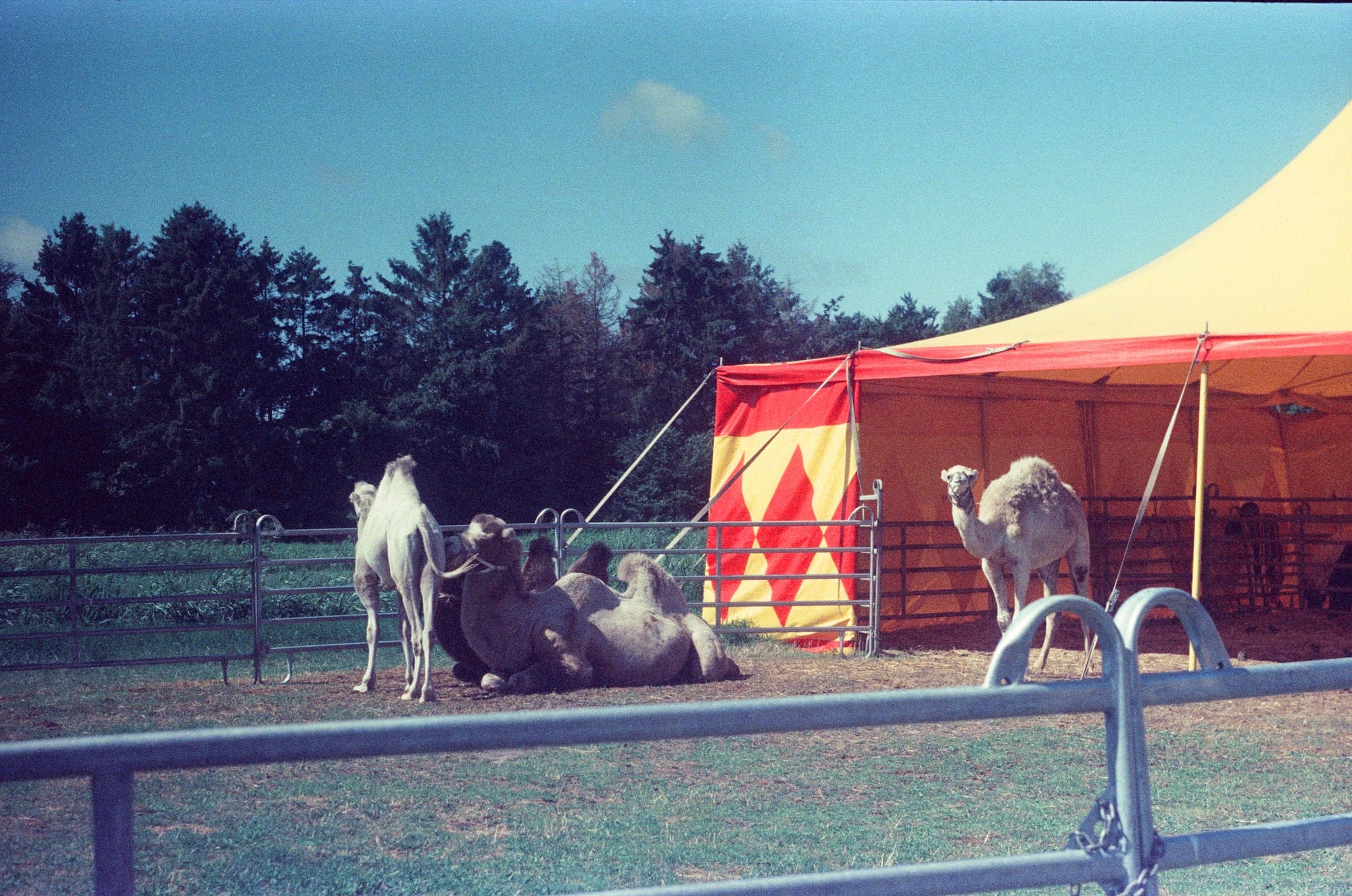
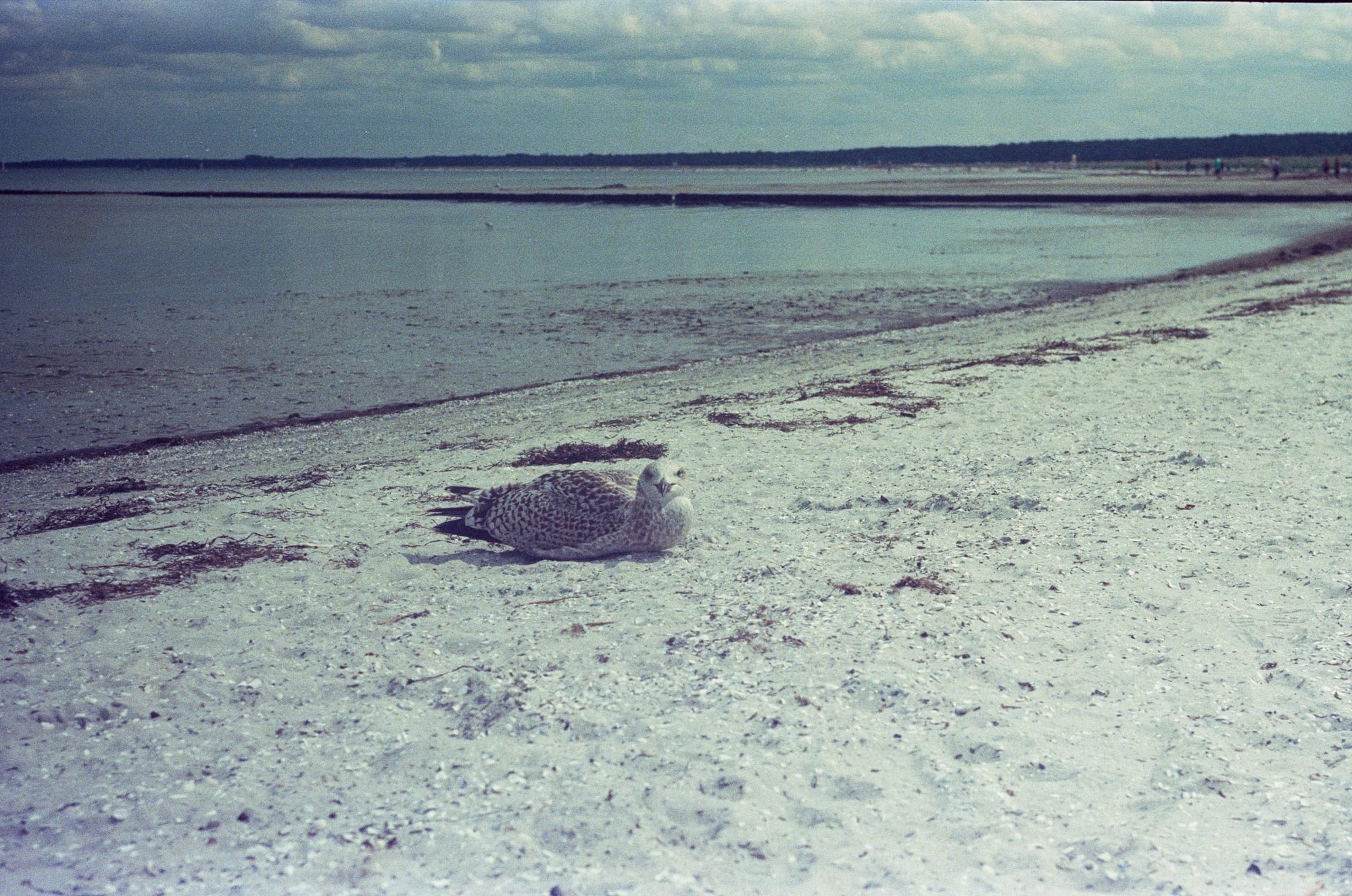
Fujifilm Superia X-tra 800 (exp. 2005~2008). Contrast had dropped a fair bit, which is why everything looks milky.
Photos you seen here have a heavy magenta cast, and I’d argue that it’s typical how Fuji’s consumer stocks age. Shot in winter, late afternoon, you can see how the pinks bloom against the snow. And it’s been one of my best films rolls so far (at least I think so).
Shooting it
If you’re about to buy your first roll of expired film, this is probably the section you actually want.
Buy multiple rolls of the same expired stock if you can. Develop one as a test, look at the results, then adjust ISO and exposure for the rest of the batch. This single habit will save you the most heartbreak.
Bracket your exposures. When you don’t know how a roll will respond, take the same shot at the metered exposure, then a stop over, then two stops over. One of them will probably be the keeper.
Soft light beats harsh light. Old emulsion handles overcast days, golden hour, and evenings far better than midday sun. Heavy contrast scenes blow out faster on aged film, and the highlights you lose can't be brought back.
Filters can do interesting things. A yellow or orange filter on expired B&W cuts haze and adds contrast. A warming filter can compensate for a cool blue cast on degraded color negative film. Of course, keeping all of this in your head while you’re shooting is its own pain. I’ve had rolls with shots I really loved come back completely black...


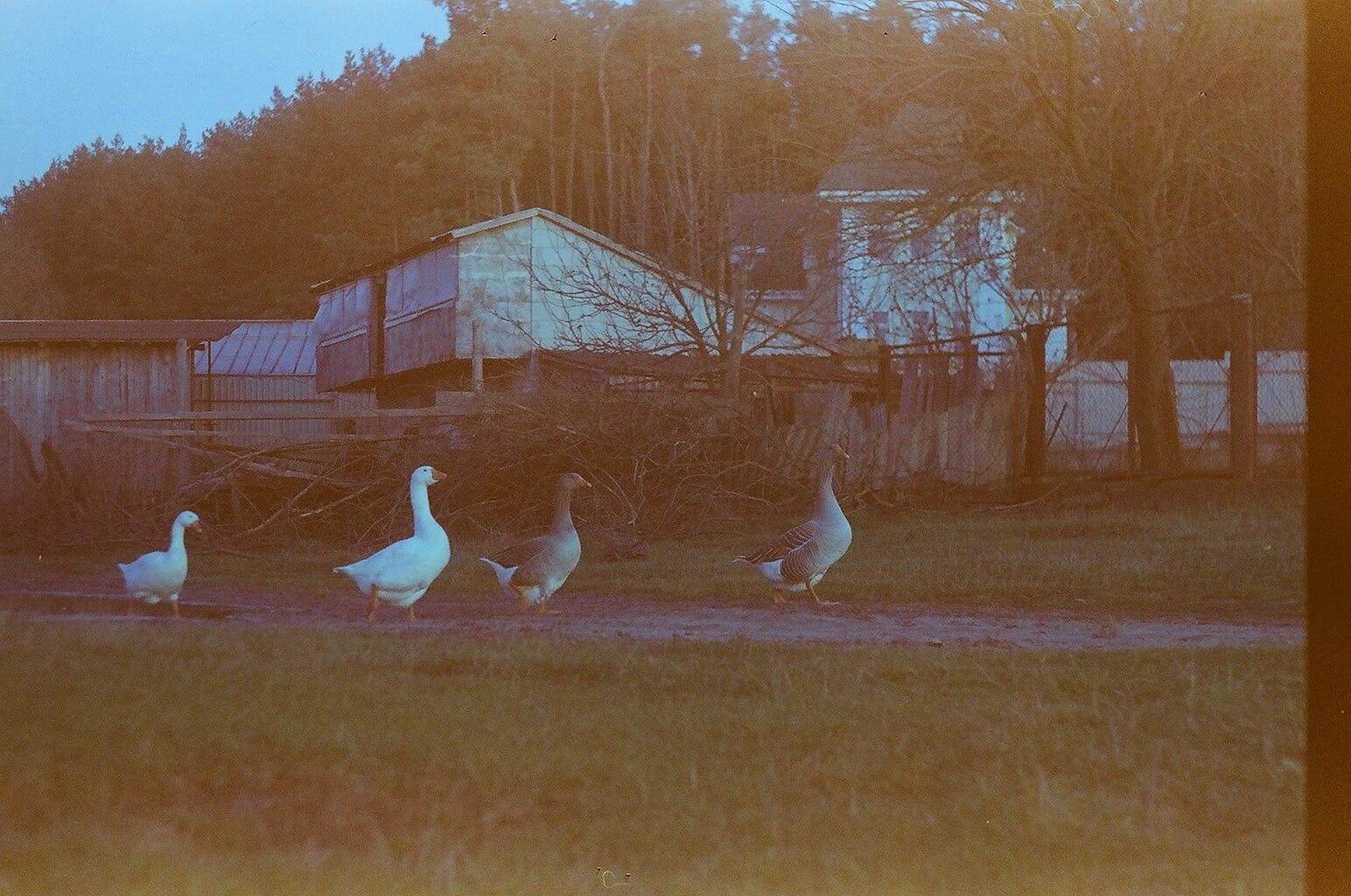
Kodak Vision3 250D (exp. ~2010)
Soviet-Ukrainian film in a nutshell
Most of the expired stock I’ve shot has been Fuji or Svema with some exceptions, occasionally Tasma. Svema was made in Shostka, Ukraine, at a chemical plant. The factory survived the collapse of the USSR, then fell apart when state subsidies disappeared in the late 90s. A successor company called Astrum still makes film today. They don’t have a DX code on that from what I remember, so if you’re using a point-and-shoot that reads it automatically you’ll have to fake one with a sticker.
For color expired film, things are more constrained. A lot of labs only run default C-41. If you have an expired color film that wasn’t C-41 originally, well, I don’t know what to suggest you here rather than developing it by yourself.
The lab situation is, in fact, where the whole hobby got expensive for me. There was no lab in my city that would touch black-and-white or anything other than standard C-41 color. So I started shipping rolls to another city.
I could’ve started developing them myself, but I was bad at chemistry in school and never loved the idea of ruining my own shots. Better to let someone who knows what they’re doing handle it. Might try it someday, though.
Worth it or not?
If you're the kind of person who needs every photo to be sharp and properly exposed, this isn’t the medium.
But if you like the idea that your photos are partly made by you, and partly made by chance, and partly made by some factory worker thirty years ago – then expired film offers something digital can’t. You don’t know the result and you wait days for it. You hope the lab doesn’t ruin them. Sometimes you ruin them. Well you never know what’s wrong. I’ve cried when a lab returned a roll completely blank, knowing what was on it. Nothing about taking that picture on a phone would have hurt the same way, because I would never have waited for it.
And that waiting is the thing.

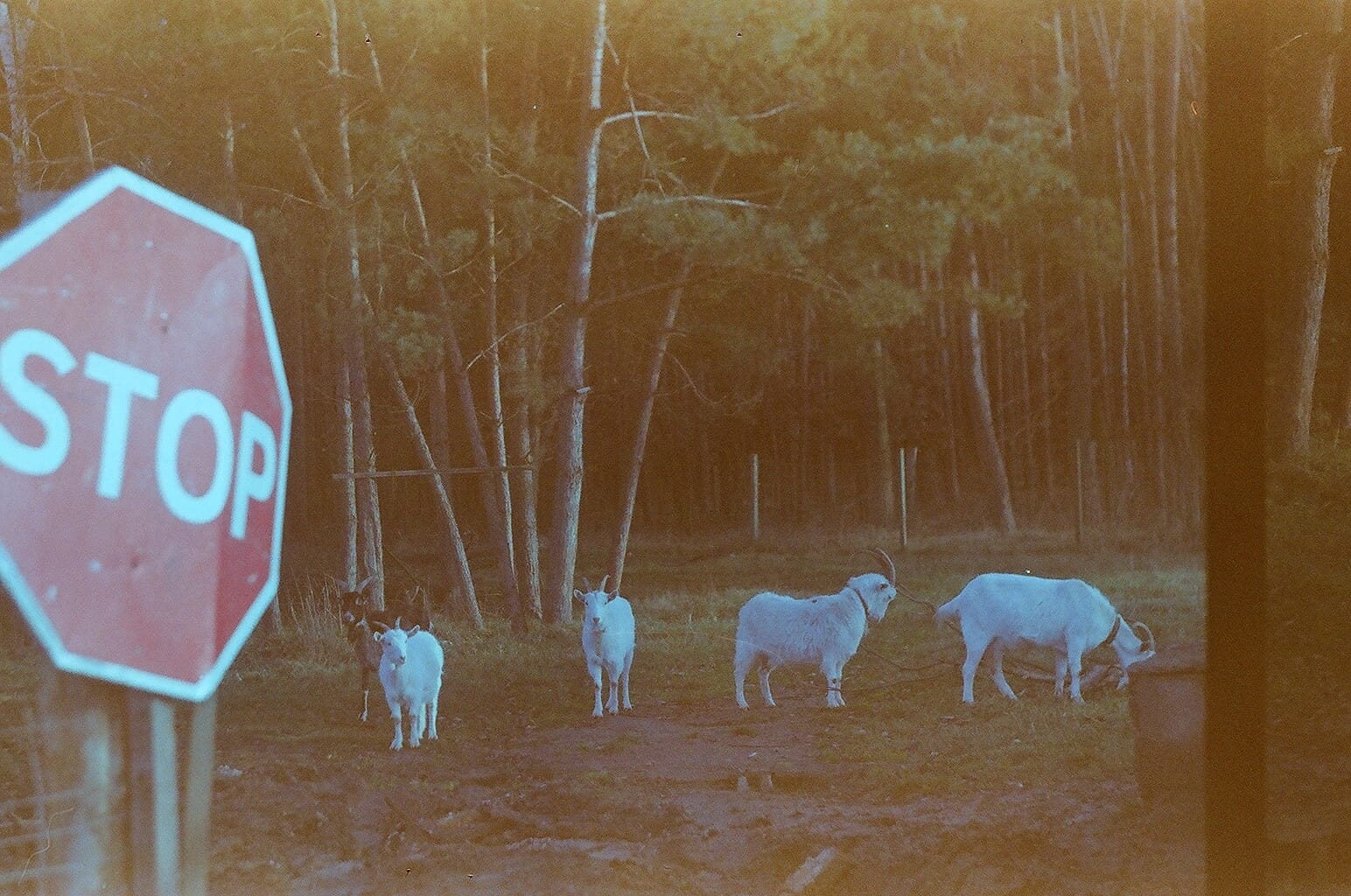
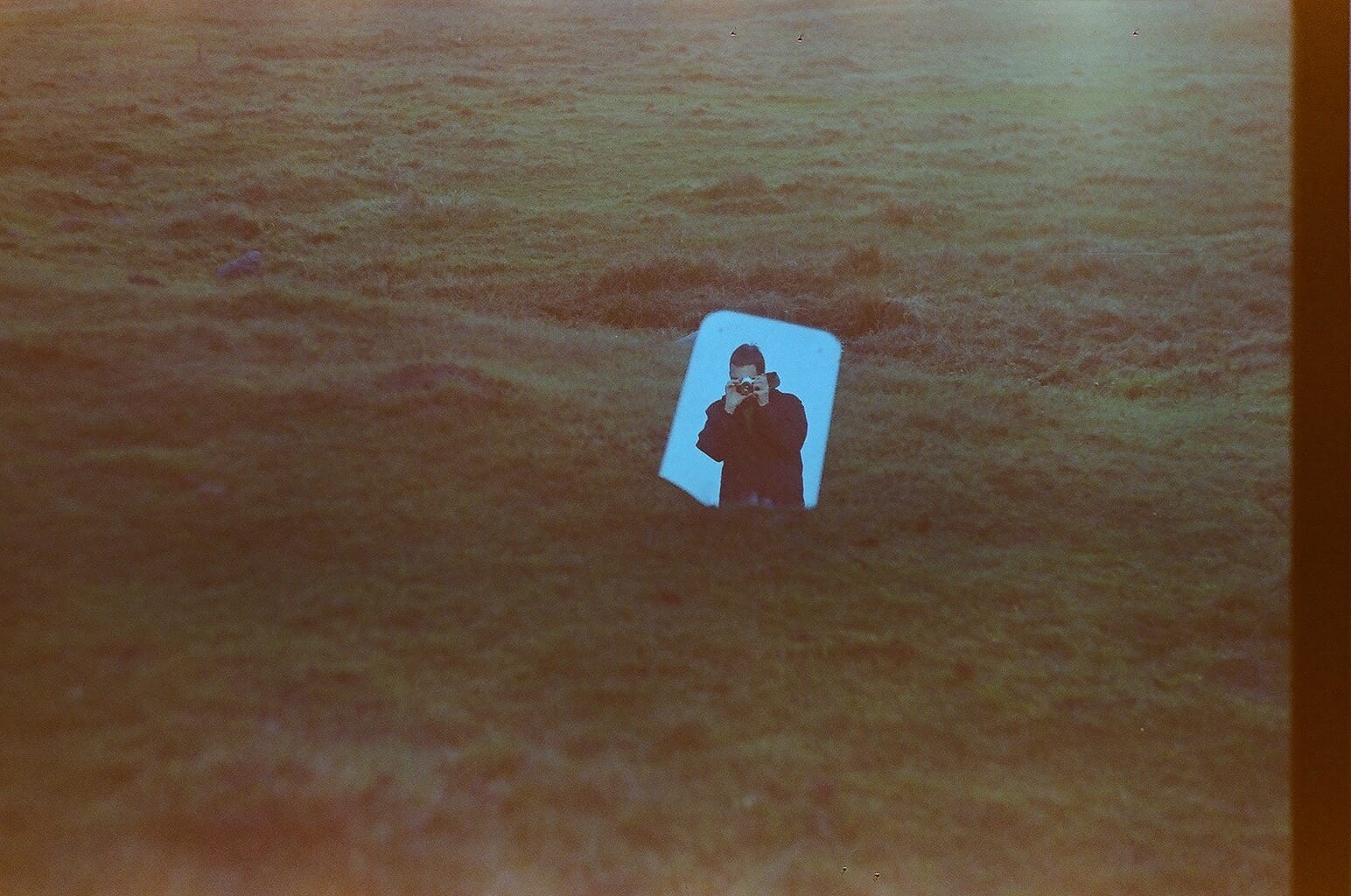
Fujifilm NPZ 800 (exp. 2006). Made in 2019